- Solar advice hub
- Exporting-to-the-grid
- British Gas EV tariff: is it worth it?
British Gas EV tariff: is it worth it?
Here's how British Gas EV Power works, how much it can save different homes, and whether it’s worth it.


Why you can trust our content
We know that the solar industry is full of misinformation, but we only use reliable sources, including:
- Our experienced solar experts, installers and system designers
- Our own database of solar & battery system designs
- Authoritative bodies like MCS and the UK government



Calculate savings
What kind of home do you live in?


Calculate savings
What kind of home do you live in?
At a glance
Energy suppliers are increasingly trying to tempt electric vehicle drivers with tariffs that make charging cheaper, and British Gas EV Power is a prime example.
It offers five off-peak hours per day during which you can charge your car, power your appliances, and fill your storage battery with cheap electricity.
In this article, we’ll explain how EV Power works, how much money different households can save, and whether it’s worth it.
If you’re wondering how much you could save with a solar & battery system, click the button below, enter a few details, and we’ll provide an estimate.
Find out how much you can save
What kind of home do you live in?
What is British Gas EV Power?
British Gas EV Power is a time-of-use import tariff that’s available to all households with an electric car.
The tariff, which used to be called British Gas Electric Driver, offers a 9p per kWh off-peak rate between 12am and 5am that you can use to charge or power anything in your home.
The rest of the time, you’ll pay around 33.3p per kWh, though the price changes depending on where you live.
This is higher than the price cap's rate, but if you shift the bulk of your consumption to the off-peak period – or use this low-cost electricity to fill your storage battery – you can save hundreds of pounds per year.
Of course, if you do have an electric vehicle, you can also make significant savings by charging it during this cheaper period.
As it’s solely an import tariff, solar homes will also need to pair it with an export tariff to make the most of their panels – more on that below.
To learn about other, similar offerings, read our regularly updated list of the best EV tariffs.
How does it work?
EV Power works just like any other tariff with peak and off-peak periods.
Households that sign up to the current version of the tariff will be able to use it at its current, fixed prices until your contract ends.
As soon as you’ve registered, you can start benefiting from the tariff’s off-peak period.
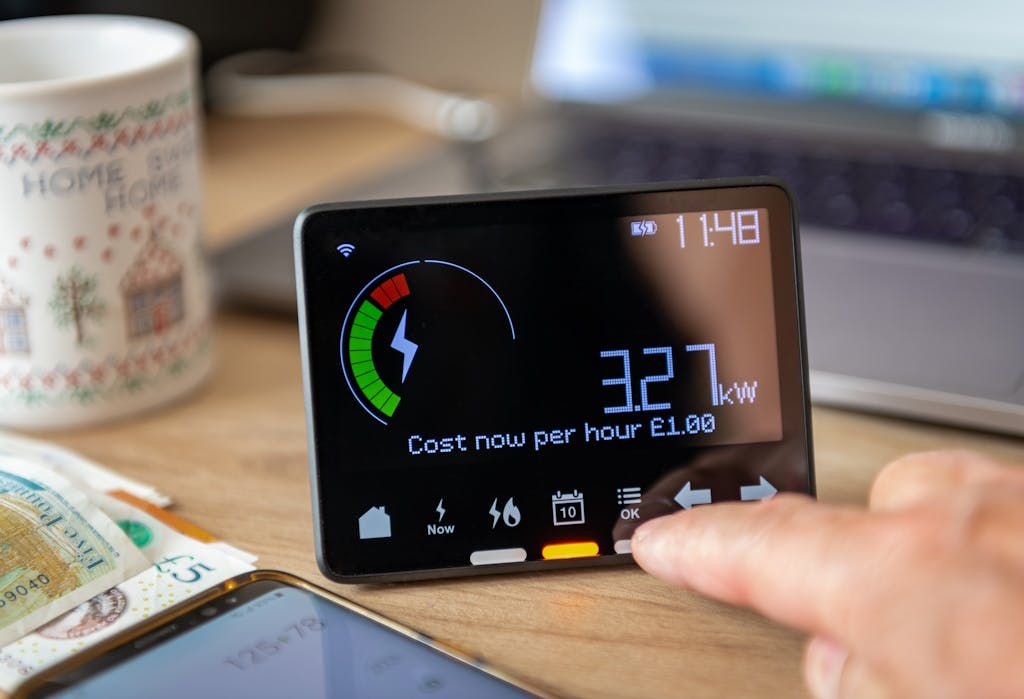
Your smart meter will record when your household uses electricity, and any consumed between 12am and 5am will be charged at the off-peak rate.
Any electricity you use during other times is charged at the peak rate.
British Gas EV Power rates
Category | Information |
|---|---|
Off-peak rate (p/kWh) | 9 |
Time period | 12am-5am GMT |
Peak rate (p/kWh) | 33.3 |
Standing charge (p/day) | 51.19 |
Total annual savings | £330 |
Exit fee | N/A |
From 12am to 5am, any electricity you import from the grid will cost 9p per kWh.
This gives you 35 hours of off-peak electricity every week that you can use to charge your EV, power your household appliances, and charge your storage battery if you have one.
The rest of the time – that is, from 5am to 12am – you’ll pay the peak rate for any electricity you get from the grid. This is currently around 33.3p per kWh.
You’ll also pay a standing charge, which will be around 51.19p per day. Rates will differ depending on where you are in the country, though.
You just need an EV and smart meter to qualify – and once you're signed up to EV Power, you can access other rates too.
Homes with a Hive charger (many of which are solar-compatible) can qualify for Power+, which offers a 25% discount on your off-peak rate of 9p per kWh.
The add-on, which was previously known as SmartCharge, effectively reduces your charging rate to 6.75p per kWh.
How much money can you save?
You can save £330 per year with EV Power, compared to the April 2026 price cap.
We've based that on a household that uses the off-peak rate to charge its EV with enough electricity to drive 7,000 miles per year, which is the UK average.
We've also estimated the home will use the off-peak rate to power 30% of its other electricity consumption, which is 3,400kWh per year on average.
If you shift a higher percentage of your electricity usage to the off-peak period, and especially if you run high-energy items like dishwashers and washing machines at these times, you can save even more.
Households that have a solar & battery system as well as an EV can also benefit enormously from EV Power, as we'll explain below.


Combining British Gas EV Power with a solar export tariff
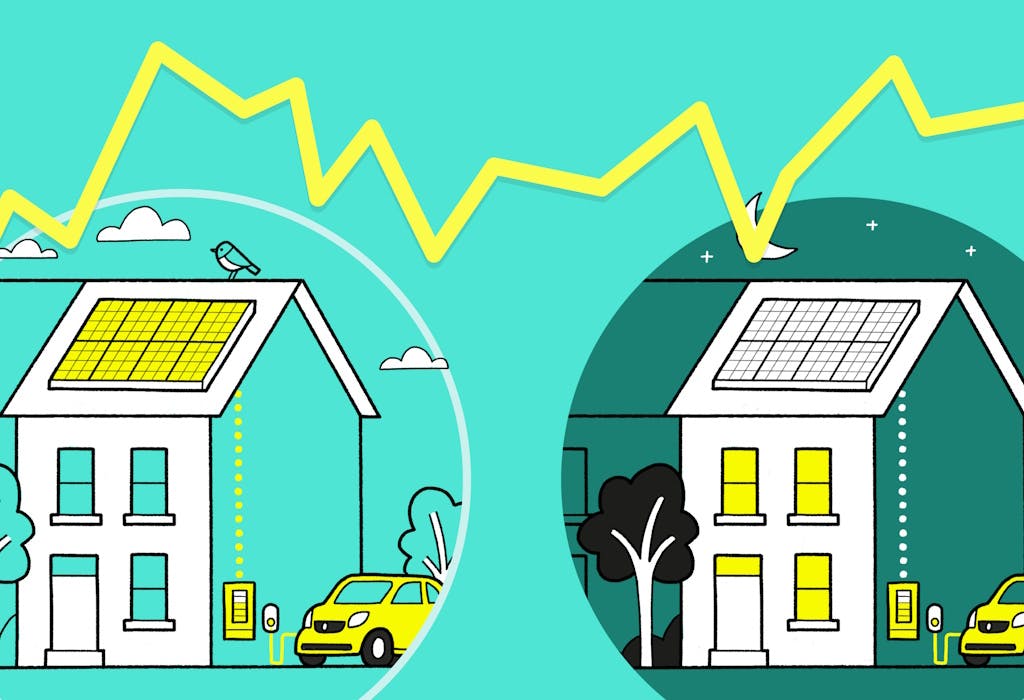
If you have a solar & battery system, you’ll almost certainly have plenty of excess electricity to send to the grid.
And if you’re using your battery to import and store off-peak electricity, as many homes on EV Power do, you’ll have even more electricity to export.
Fortunately, you can get paid for every kWh of electricity you send to the grid, simply by signing up to an export tariff.
And if your import tariff is British Gas EV Power, you can access one of the most generous export tariffs around: British Gas Export and Earn Plus, which pays 15.1p for every kWh you send to the grid.
However, British Gas doesn’t compel EV Power customers to use one of its export tariffs, so you can also choose a different supplier’s rate if you wish.
Just make sure it’s not an exclusive rate that requires you to become an import customer, otherwise you won’t be able to use EV Power.
For more information – and to see if there are better tariffs available – check out our up-to-date guide to the best SEG rates.
How much can you earn with Export and Earn Plus?
You can earn around £368 per year on Export and Earn Plus.
This is based on a household with a 4.9kWp solar panel system, average electricity consumption of 3,400kWh per year, average UK irradiance (850kWh per kWp), and a 5.2kWh battery.
To reach this level of savings, you'd also need to sign up to EV Power. This tariff allows you to export more of the electricity your panels produce, since your battery is being used to store off-peak grid electricity.
In this situation, you’ll usually export around 65% of your solar-generated electricity.
Together, these two tariffs form one of the very best import-export pairings on the market right now.
By covering a chunk of your electricity usage with solar energy and by using your battery to import cheap electricity during EV Power's off-peak period, you can save and earn £1,030 per year, in total.
And that doesn't even include the EV charging savings detailed above.
The same household on a regular tariff with no off-peak periods can make around £193 per year on Export and Earn Plus, from exporting about 34% of the electricity its panels produce.
All of these savings figures will vary depending on the size of your battery, how much of your solar-generated electricity you use, and your overall electricity consumption.
Combining with Hive Solar Saver
If you get a solar & battery system through Hive or Sunsave, you can gain access to Hive Solar Saver.
This exclusive add-on cuts your peak electricity costs by 25% for 12 months, meaning on EV Power, you'd currently pay 25p per kWh instead of 33.3p during peak hours.
You'll receive an invitation to Hive Solar Saver shortly after your installation is complete. Just sign up within two weeks of getting that email, and you should be set.
If you're only charging your EV at off-peak times, Hive Solar Saver won't make this process cheaper – but it'll still save you plenty by cutting your household electricity costs.
How can you sign up for British Gas EV Power?
If you’re already receiving your electricity from British Gas, you can login to your online account and switch to EV Power straight away, as long as you have an EV and a smart meter.
Anyone who doesn't have a smart meter can request a free one from their energy supplier.
If you're not with British Gas, you can switch by getting a quote and filling in a form online with standard information – like your home, contact number, and payment details – then accepting the terms and conditions.
Eligibility requirements
The only eligibility requirements for British Gas EV Power are that you own an EV and a smart meter, and pay by Direct Debit.
Otherwise, it’s like signing up for any other standard import tariff.
How long does it take?
If you’re a British Gas electricity customer, just let the company know that you want to switch tariffs, and the change should happen almost instantly.
If you need to change suppliers, it should take a maximum of three weeks for the two companies to complete the move.
This time limit is due to the Energy Switch Guarantee. This list of standards was created by trade body Energy UK, and all major suppliers have agreed to follow it.
Is British Gas EV Power worth it?
British Gas EV Power is absolutely worth it if you also have a solar & battery system, as it gives you access to one of the best export tariffs around.
Export income is one of the major financial benefits of going solar, and British Gas Export and Earn Plus's 15.1p per kWh rate allows you to boost your earnings.
And if you go solar with Sunsave or Hive, you can cut your import costs even further with Hive Solar Saver's 25% peak electricity discount. This can increase your savings by hundreds of pounds.
At Sunsave, we’ll always help you choose the best tariffs for your situation.
If you’re interested in how much you could save with a solar & battery system, click the button below, enter a few details, and we’ll provide an estimate.
Find out how much you can save
What kind of home do you live in?
FAQs
Related articles

 Josh Jackman
 Josh Jackman
 Josh Jackman
Written byJosh Jackman
Josh has written about the rapid rise of home solar for the past seven years. His data-driven work has been featured in United Nations and World Health Organisation documents, as well as publications including The Eco Experts, Financial Times, The Independent, The Telegraph, The Times, and The Sun. Josh has also been interviewed as a renewables expert on BBC One’s Rip-Off Britain, ITV1’s Tonight show, and BBC Radio 4 and 5.